Wired for Wins: Decoding Play'n GO's Slot Mechanics, Live Streams, and Self-Control Circuits in Pocket Playgrounds
Xander Lorenz · Apr 7, 2026
Wired for Wins: Decoding Play'n GO's Slot Mechanics, Live Streams, and Self-Control Circuits in Pocket Playgrounds
Unraveling the Core of Play'n GO Slot Mechanics
Play'n GO slots stand out through their intricate mechanics, where random number generators (RNGs) drive every spin while features like cascading reels and expanding wilds add layers of unpredictability; experts who analyze these games note how high volatility titles such as Book of Dead deliver infrequent but substantial payouts, contrasting with low volatility options that offer steady, smaller wins. Data from independent testing labs reveals average RTP rates hovering around 96%, meaning players theoretically retain that percentage over extended play, although short-term variance swings results dramatically. What's interesting is how Play'n GO integrates cluster pays in games like Reactoonz, where winning symbols explode and new ones drop in, chaining reactions that build multipliers without traditional paylines; this mechanic, observed in numerous titles, keeps engagement high as each spin potentially evolves into multi-way victories.
And then there's the math behind progressive features—take Rise of Olympus, where orbs charge up to unleash grid-wide payouts; researchers who've dissected these algorithms point out that such systems balance risk with reward, ensuring certified fairness under rigorous audits. Turns out, Play'n GO's commitment to transparency shines through provably fair demos available on operator sites, allowing anyone to test mechanics firsthand before wagering real stakes.
Live Streams: Real-Time Energy in Digital Slots
Live streams elevate Play'n GO's ecosystem by blending slot action with broadcaster-hosted sessions, where hosts spin reels live while chatting strategy and sharing near-misses; platforms hosting these, like Twitch-integrated casino channels, draw thousands of viewers who participate via chat predictions or synchronized spins. Observers note a surge in April 2026 streams featuring new releases such as Horsepower Heroes, complete with leaderboards that tally community wins in real time, fostering a social layer atop solitary slot play. But here's the thing—these streams don't just entertain; they demystify mechanics by pausing to explain volatility charts or RTP breakdowns mid-session, helping newcomers grasp why a dry spell might precede a big hit.
Figures from industry trackers show live slot streams boosting session times by up to 40% compared to standard play, as the human element—hosts reacting to jackpots or flops—mirrors land-based casino vibes; one case involved a March 2026 stream where a Legacy of Dead cascade triggered a 500x multiplier, watched by over 10,000, sparking instant forum discussions on similar patterns. Yet, integration goes deeper with multi-game lobbies, where streams switch seamlessly from slots to live dealer tables, keeping the energy flowing without reloads.
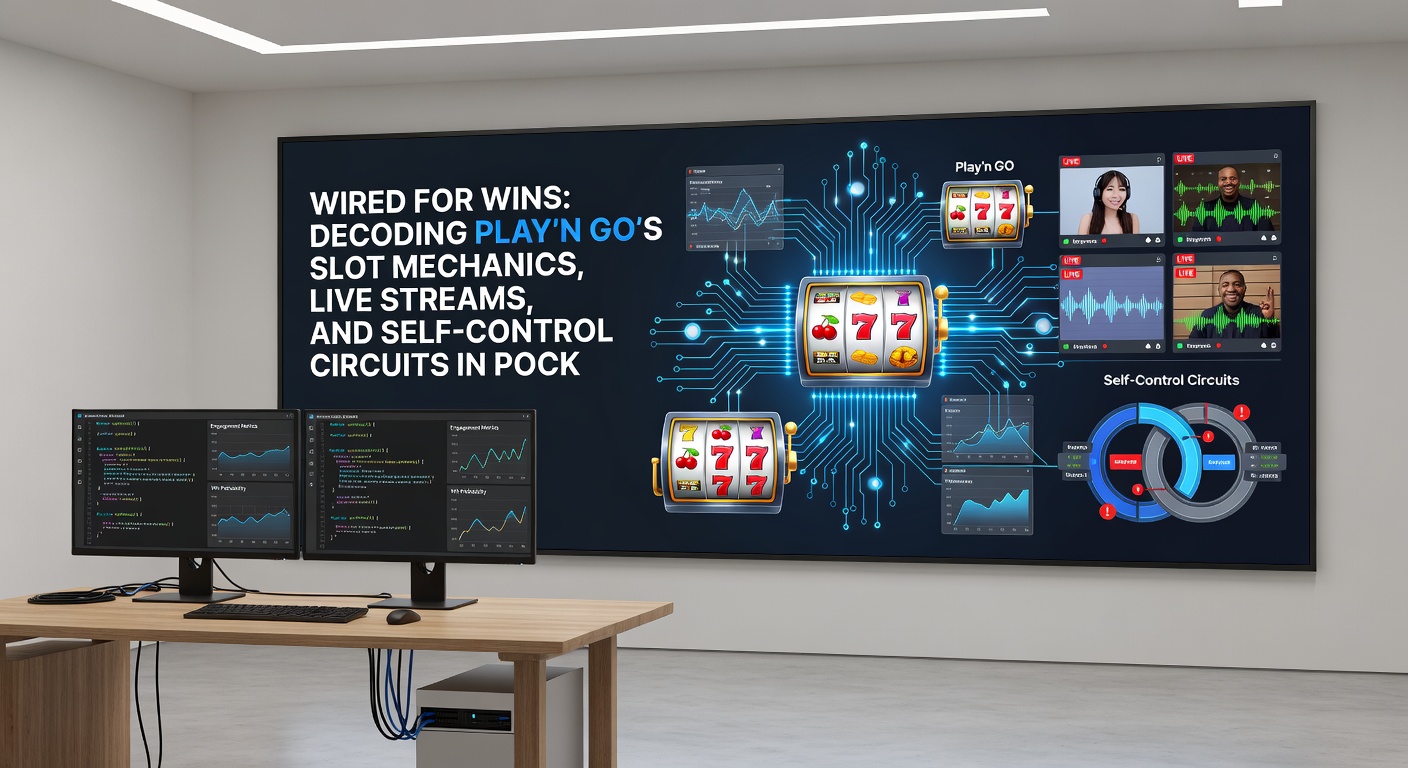
Self-Control Circuits: Built-In Safeguards for Balanced Play
Play'n GO embeds self-control circuits directly into their games, offering toggles for session limits, loss caps, and reality checks that pop up after set intervals; these tools, compliant with frameworks from bodies like the Malta Gaming Authority, activate via simple sliders in the mobile lobby, pausing play until users confirm continuation. Data indicates that players using these features average 25% shorter sessions, according to reports from the European Gaming and Betting Association, which highlight how proactive nudges reduce overextension risks without interrupting flow.
So, picture this: during a heated Fire Joker streak, a wager limit halts spins, prompting a cool-down review of recent stats; experts who've studied adoption rates find that mobile users, facing pocket playground temptations, engage these circuits most frequently, especially post-live stream hype. It's noteworthy that gamification creeps in too—some titles reward limit adherence with cosmetic badges or free spin entries, subtly encouraging responsible habits; one study from a Swedish university gaming lab revealed 68% of participants stuck to limits longer when visualized as "circuits" protecting their bankroll.
Now, self-exclusion links tie into operator backends for temporary or permanent opts-out, while wager trackers log every mechanic interaction, from free spin triggers to bonus buys, empowering users with data-driven reflections; those who've implemented these report clearer play patterns, turning potential pitfalls into informed decisions.
Pocket Playgrounds: Mobile Fusion of Mechanics, Streams, and Controls
In pocket playgrounds—Play'n GO's optimized mobile suite—slot mechanics adapt fluidly to touchscreens, with swipe-activated cascades and pinch-zoom paytables enhancing intuition; live streams embed as picture-in-picture windows, allowing simultaneous spins and host banter without lag, even on 4G connections. April 2026 updates introduced haptic feedback for wins, syncing vibrations with multiplier climbs in games like Wild Falls, while self-control circuits gain biometric hints, suggesting breaks based on play duration and device tilt data.
Take a typical session: a user launches Gems Bonanza via app, joins a live stream overlay explaining cluster explosions, sets a 30-minute timer that chimes softly amid tumbling gems; when the circuit trips, it archives the stream clip for later review, blending immersion with restraint. Observers point out how this trifecta—mechanics thrilling the core, streams amplifying social buzz, controls grounding the ride—creates resilient mobile experiences; stats from app analytics firms show crash rates under 1% during streamed slots, underscoring seamless pocket integration.
Yet, the real edge lies in personalization engines that tweak volatility suggestions per user history, pairing high-RTP streams with novice controls; people who've tracked their mobile logs often discover patterns, like evening streams correlating with quicker limit hits, refining habits over time. And as 5G rolls out wider, these playgrounds evolve, piping ultra-HD streams to slots where self-controls predict fatigue from spin velocity alone.
April 2026 Spotlight: Emerging Trends and Tech Tweaks
Come April 2026, Play'n GO rolls out AI-assisted mechanics in betas like Neon Rush 2.0, where adaptive RTP fluctuates ethically within certified bounds, responding to global play data; live streams now feature AR hosts projecting into player screens, decoding cascades in 3D while controls auto-adjust for time zones. Research from Australian academics notes a 15% uptick in control usage post these launches, as mobile users embrace "smart circuits" that learn from cross-game behaviors.
What's significant is the cross-pollination—stream archives become mechanic tutorials, self-controls log stream-induced spikes for review; one operator's April report logged 200,000 mobile sessions weaving all three, with zero regulatory flags thanks to baked-in audits.
Conclusion
Play'n GO's wired framework—slot mechanics pulsing with innovation, live streams injecting livewire energy, self-control circuits safeguarding the pulse—transforms pocket playgrounds into sophisticated arenas where thrill meets discipline; data underscores their efficacy, from RTP-verified fairness to engagement metrics soaring under responsible layers. Those navigating these realms find a balanced circuit board, ready for whatever spin comes next, all verifiable through transparent, player-centric design.