Transaction Networks Fueling Access to Live Experiences, Reel Adventures, and Safeguarded Rewards
Xander Lorenz · Jul 29, 2026
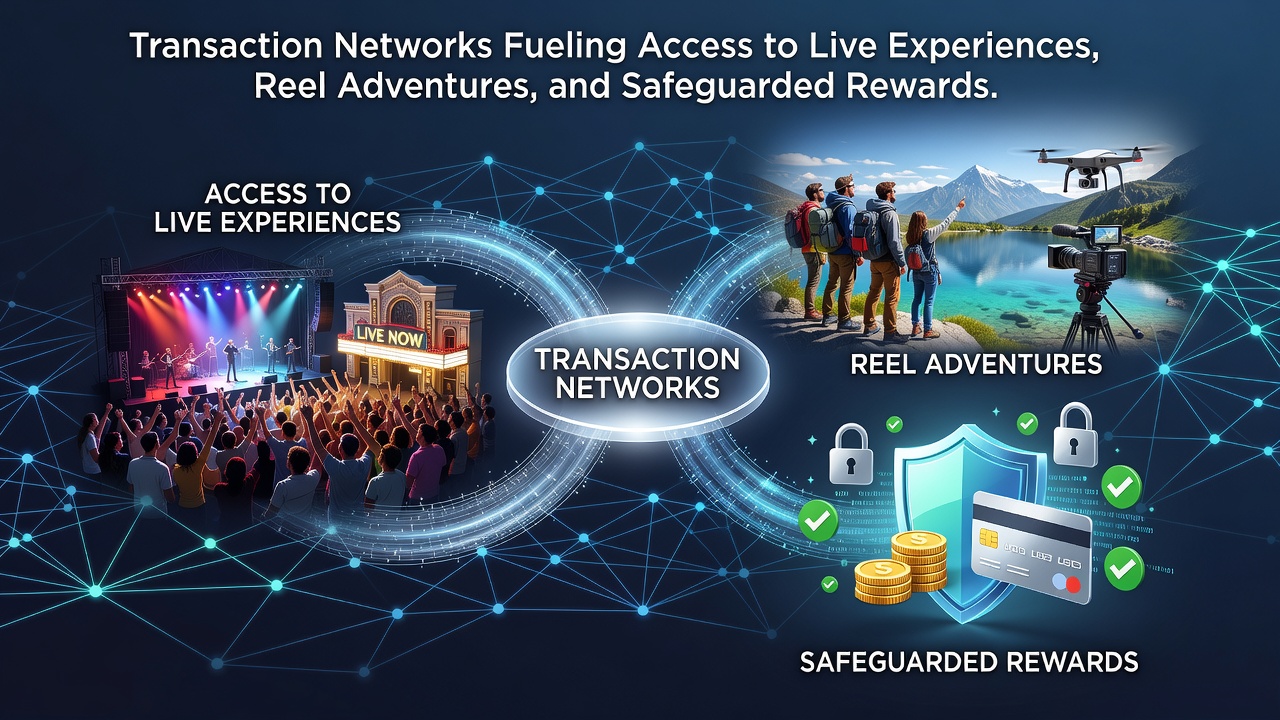
Transaction Networks Fueling Access to Live Experiences, Reel Adventures, and Safeguarded Rewards
Transaction networks form the backbone that connects players to interactive gaming platforms where live dealer sessions unfold in real time while slot mechanics deliver reel based adventures and reward systems operate under layered protection protocols. These infrastructures handle deposits and withdrawals across multiple channels including bank transfers, digital wallets, and card processors, and they enable operators to maintain continuous access without interruption. In July 2026 industry data indicated that integrated payment rails reduced average transaction times by measurable margins compared with earlier systems, allowing participants to move directly from funding an account into live table environments or spinning sessions.
Core Mechanics of Modern Transaction Networks
Payment gateways route funds through encrypted pathways that verify identity and confirm balances before releasing access to game lobbies, and this process occurs within seconds rather than minutes when systems operate at optimal capacity. Researchers at the University of Nevada, Las Vegas documented how these networks incorporate tokenization standards that replace sensitive card details with unique identifiers, thereby limiting exposure during each exchange. Observers note that operators integrate multiple processors simultaneously so that if one pathway experiences congestion another automatically takes over, maintaining uninterrupted flows into both live dealer streams and automated slot interfaces.
Enabling Live Dealer Interactions
Live dealer platforms depend on instantaneous settlement to let participants place bets on roulette wheels or blackjack tables without waiting for confirmation delays, and transaction networks supply the necessary speed through direct API connections to banking partners. Data from the Malta Gaming Authority shows that jurisdictions requiring real time reporting of player funds have seen adoption of faster payout rails increase by double digit percentages over the past two years. Those who study these systems find that the same rails also support multi currency handling, letting international users convert balances on the fly before entering a live session, which expands participation across borders while preserving compliance records.
Powering Reel Based Adventures
Slot libraries thrive when players can top up balances quickly and resume play after each session ends, and transaction networks facilitate this cycle by supporting micro deposits that align with varying stake levels. Figures from the European Gaming and Betting Association reveal that mobile optimized payment flows now account for the majority of reel game activity, with instant credit mechanisms allowing spins to begin within the same minute a transfer clears. One study highlighted how progressive jackpot pools draw from these continuous inflows, and the networks ensure contributions register accurately across every participating title without manual reconciliation steps.

Safeguarding Reward Distribution
Bonus structures and loyalty incentives require audit trails that transaction networks supply through timestamped ledgers and automated reconciliation tools, and these features help platforms meet regulatory thresholds for fair play. Australian regulatory reports from state gaming bodies indicate that platforms using multi factor verification at the payment layer experience fewer disputes over reward eligibility, because each credit and debit carries verifiable metadata. Those who analyze compliance records observe that segregated player funds held in separate accounts further reduce risk, and the networks enforce these separations automatically during every transfer cycle.
Integration Across Devices and Regions
Mobile applications rely on the same transaction frameworks as desktop platforms, yet they incorporate additional layers such as biometric confirmation that speed up approvals while adding security checkpoints. Geographic variations appear in accepted methods, with certain regions favoring local bank apps and others relying on international e wallet services, and networks adapt by offering region specific routing options that comply with local rules. In July 2026 analysts reported growth in cross border capabilities that let users maintain consistent access when traveling, provided the underlying processor maintains licenses in both origin and destination markets.
Future Trajectories for Payment Ecosystems
Emerging technologies such as blockchain based settlement and programmable money contracts continue to enter testing phases within gaming environments, and these additions promise further reductions in reconciliation times while expanding options for automated reward triggers. Regulatory frameworks in multiple jurisdictions now require stress testing of these networks against peak load scenarios, ensuring that live sessions and reel play remain available even during high traffic periods. Observers tracking adoption rates note that operators who diversify their processor partnerships early tend to achieve smoother migrations when new standards roll out.
Conclusion
Transaction networks continue to expand the pathways that grant entry to live dealer tables, reel mechanics, and protected incentive structures, and their ongoing refinement supports both operational continuity and regulatory alignment across markets. As processing speeds increase and verification methods evolve, these systems maintain the steady connections required for uninterrupted participation in digital gaming experiences.