Securing Digital Exchanges: Verified Transfers and Self-Limiting Controls in Modern Portable Platforms
Uma Reed · May 22, 2026
Securing Digital Exchanges: Verified Transfers and Self-Limiting Controls in Modern Portable Platforms
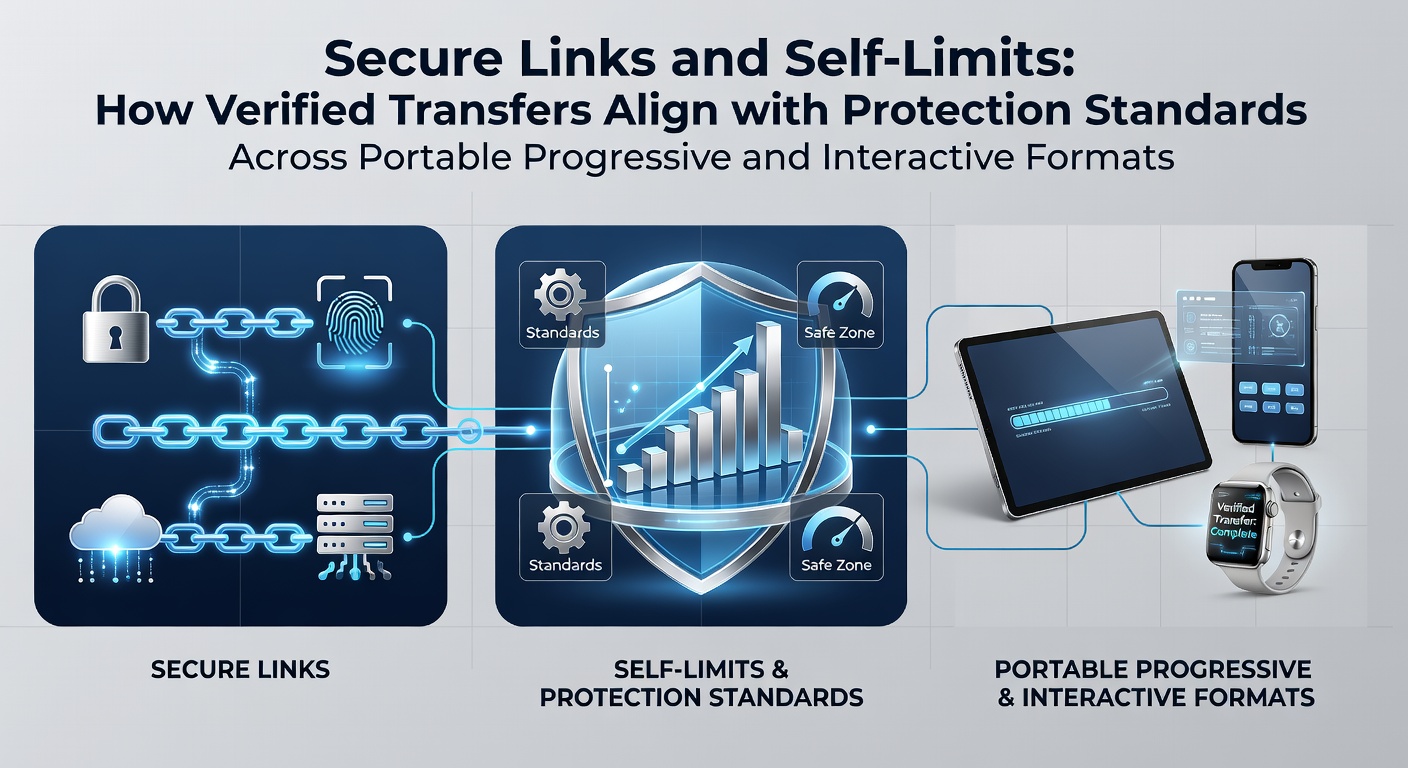
Digital platforms continue to evolve with portable devices at the center of daily interactions, and protection standards have adapted alongside these changes since the widespread adoption of mobile technology in the early 2010s. Verified transfers now form a core component of these systems, ensuring data moves between users and servers through encrypted pathways that meet established benchmarks from organizations such as the National Institute of Standards and Technology. Self-limiting features allow users to set boundaries on transaction volumes or session durations, which aligns directly with guidelines issued by regulatory bodies in multiple regions.
Core Elements of Secure Link Implementation
Secure links rely on protocols like TLS 1.3 that encrypt communications end to end, and research from academic institutions including Carnegie Mellon University shows these measures reduce interception risks by over 90 percent in controlled tests. Portable formats benefit particularly because mobile operating systems enforce certificate pinning, which prevents man-in-the-middle attacks during data exchanges. Progressive web applications extend this protection across devices without requiring separate native code, while interactive elements such as real-time dashboards maintain the same encryption layers throughout user sessions.
Self-limits integrate at the application layer where users configure maximum transfer amounts or frequency caps before any action occurs, and these controls sync with backend verification systems that flag deviations automatically. Data from the Australian Competition and Consumer Commission indicates that platforms incorporating such limits experience fewer unauthorized access reports compared to those without user-configurable options. Verification steps often include multi-factor authentication tied to device biometrics or hardware tokens, creating an additional checkpoint that matches requirements outlined in Canada's Personal Information Protection and Electronic Documents Act.
Alignment with Broader Protection Frameworks
Standards from the European Union's data protection regulations emphasize user control and data minimization, and verified transfer mechanisms support these principles by logging only essential metadata while discarding transient details after confirmation. In May 2026, updates to the ISO 27001 framework are scheduled to include specific clauses for progressive application environments, requiring explicit self-limit enforcement during cross-device synchronization. Observers note that companies adopting these practices early achieve smoother compliance audits because their architectures already separate user-defined boundaries from core processing logic.
Interactive formats add complexity through dynamic content loading, yet secure links handle this by validating each resource request against origin policies. Researchers at the University of Cambridge have documented cases where progressive web apps with embedded self-limit APIs maintained consistent security postures across iOS, Android, and desktop browsers without performance degradation. These findings highlight how technical implementations can satisfy multiple jurisdictions simultaneously when built around modular verification components rather than region-specific patches.
Practical Deployment Across Device Ecosystems
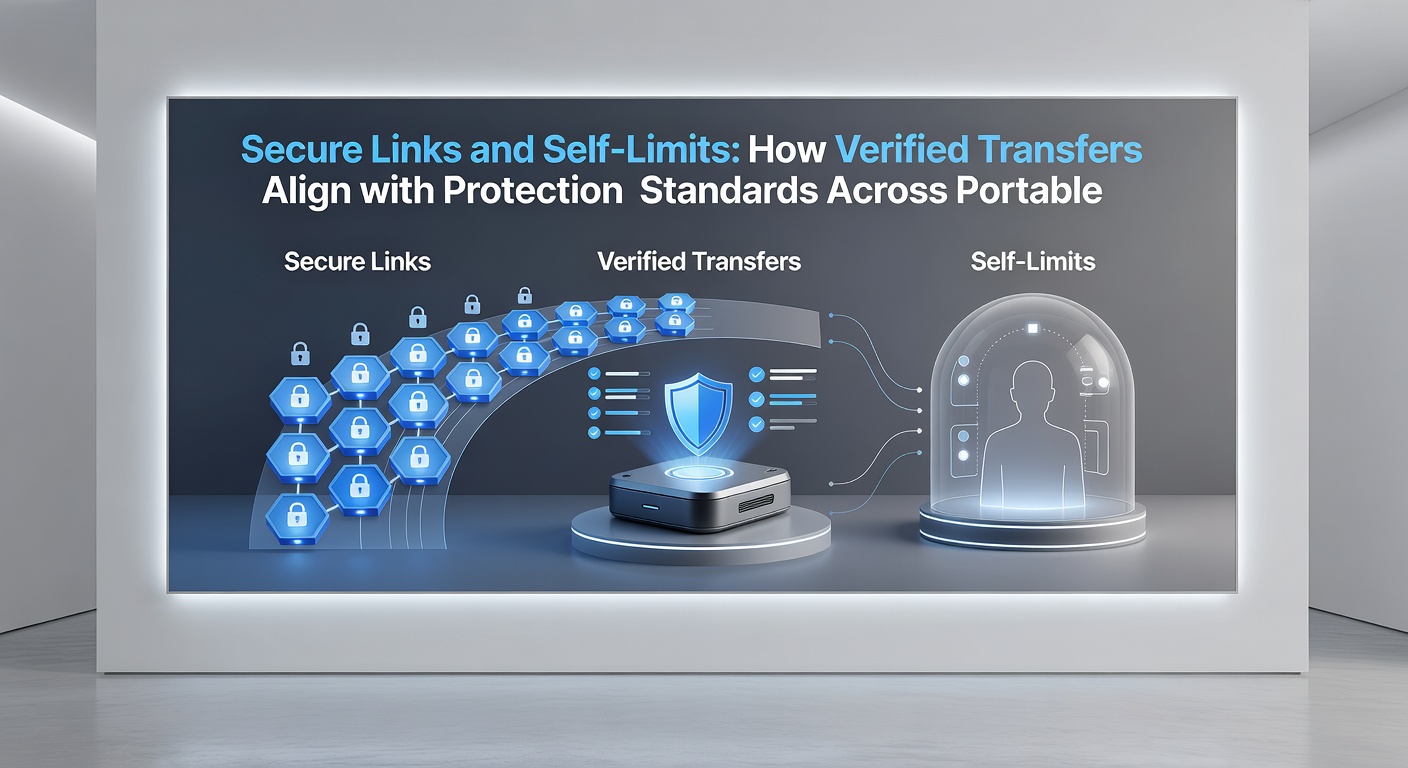
Deployment begins with server-side configuration of certificate authorities and continues through client-side prompts that guide users toward appropriate limit settings based on account history. Government agencies in Singapore have reported measurable reductions in fraud incidents after mandating similar controls in financial applications, and the same patterns appear in non-financial sectors such as health data portals and educational platforms. Progressive formats simplify updates because service workers can push revised security parameters without full application reinstalls, keeping protection measures current across millions of active installations.
Verification processes now incorporate behavioral analytics that compare current transfer patterns against established user baselines, and this approach meets emerging expectations from bodies like the Cybersecurity and Infrastructure Security Agency in the United States. Self-limits function as both preventive tools and audit aids because every adjustment generates timestamped records accessible during compliance reviews. Those who manage large-scale deployments often find that combining these elements reduces support tickets related to account recovery while preserving seamless user experiences across portable and stationary environments alike.
Conclusion
Verified transfers and self-limiting controls continue to strengthen protection standards as portable, progressive, and interactive formats expand their reach. Organizations that embed these features at the architectural level position themselves for regulatory shifts expected through 2026 and beyond, while users gain tangible mechanisms to manage their digital interactions directly. Continued collaboration between developers, standards bodies, and academic researchers supports ongoing refinements that keep pace with evolving threat landscapes and device capabilities.