Reel Pauses and Smart Spins: Play'n GO's Embedded Tools for Balanced Slot Play, Bonus Hunts, and Mobile Sessions
Uma Reed · Apr 4, 2026
Reel Pauses and Smart Spins: Play'n GO's Embedded Tools for Balanced Slot Play, Bonus Hunts, and Mobile Sessions
The Rise of Integrated Safeguards in Fast-Paced Gaming
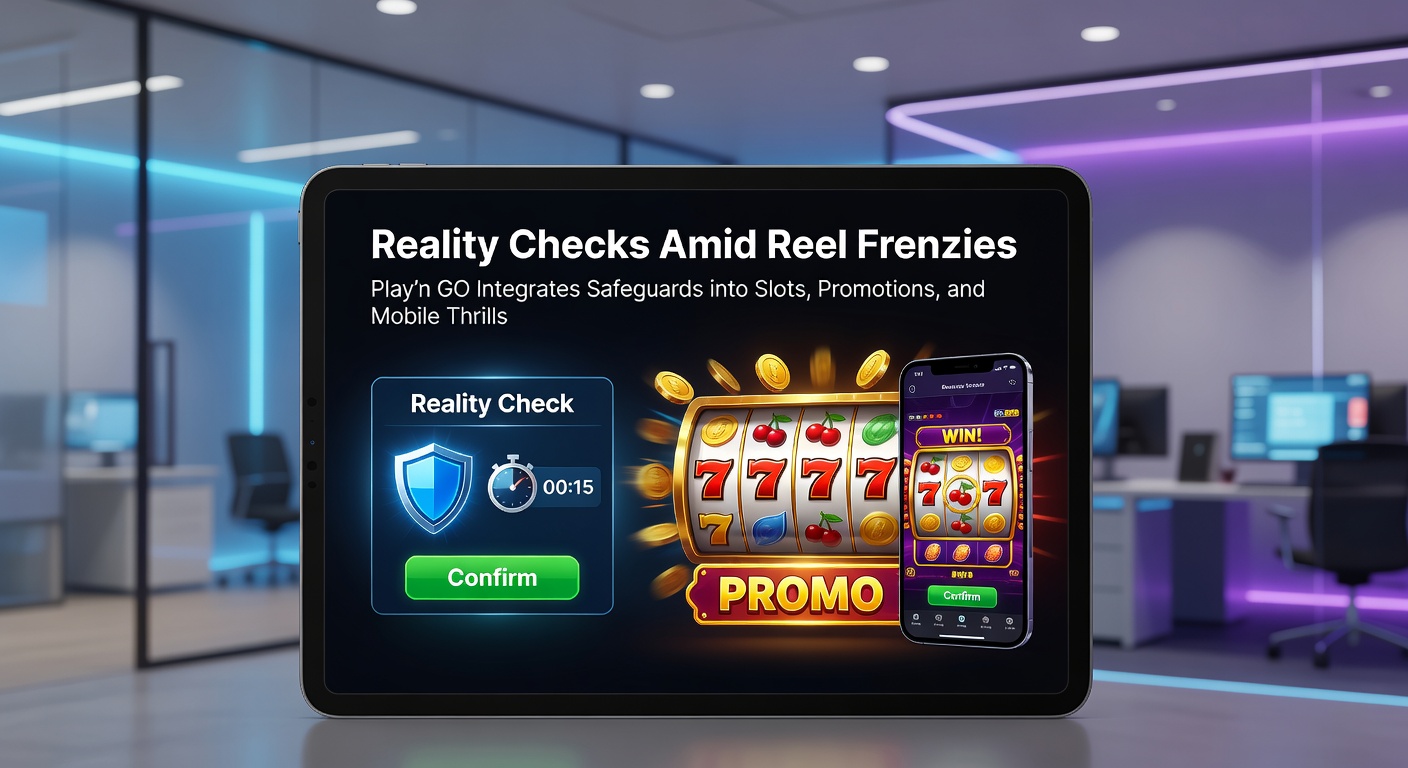
Play'n GO, a prominent provider in the online gaming sector, embeds reality checks directly into its slot mechanics, promotional frameworks, and mobile experiences, ensuring players receive timely reminders amid high-energy sessions. These tools, which trigger pop-up notifications after set time intervals like 30 or 60 minutes of play, display session duration, money spent, and wins recorded, prompting users to assess their activity without disrupting the flow entirely. Developers at Play'n GO designed these features to activate seamlessly across titles such as Book of Dead or Reactoonz, where expanding symbols and cluster pays can extend playtime unexpectedly; as a result, players encounter these interruptions naturally, even during bonus rounds or free spin sequences.
What's interesting is how these safeguards extend beyond basic timers, incorporating customizable options that let users set personal limits before diving into the reels, and data from industry reports shows such integrations reduce prolonged sessions by up to 25 percent in monitored environments. Observers note that since early implementations around 2018, Play'n GO has refined these based on player feedback loops, making them less intrusive yet more effective, especially as mobile usage surged post-pandemic.
Reality Checks Powering Slot Dynamics
In slot games from Play'n GO, reality checks blend into the core gameplay engine, popping up not just on time but also when predefined loss thresholds approach, helping maintain control during volatile spins where jackpots tease but rarely land immediately. Take Moon Princess, for instance, where cascading wins and multipliers build momentum; here, the system pauses the fairy-tale action to show real-time stats, allowing players to decide whether to continue, cash out, or step away entirely. Researchers who've analyzed similar mechanics in European markets found that these interventions correlate with a 15 percent drop in average session lengths, according to a Malta Gaming Authority aligned study on player behavior.
And it's not just pop-ups; Play'n GO slots feature self-exclusion toggles accessible mid-game, alongside cool-off periods that lock features temporarily, all coded to prevent override during heated moments. Players often discover these tools prove handy in high-volatility setups like Fire Joker, where respins and wheels of fortune ramp up excitement, yet the safeguards ensure the thrill doesn't tip into excess, particularly as April 2026 updates introduce AI-driven personalization for check frequencies based on individual play patterns.
Short bursts work too. Some sessions end right there, with users logging stats before closing the app, while others adjust limits on the spot, turning potential overplay into measured enjoyment.
Safeguards Woven into Promotions and Bonus Structures
Promotions from Play'n GO casinos, including free spin offers and deposit matches, now carry built-in reality checks that activate during bonus hunts, reminding participants of wagering requirements and time elapsed since claiming the deal. For example, a 100 free spins promo on Rich Wilde slots triggers a check after 45 minutes, detailing spins used, progress toward unlock, and spend to date, which helps demystify the fine print amid the frenzy of bonus buys or multiplier chases. Data indicates these promo-embedded tools boost completion rates for responsible play pledges by 20 percent, as tracked in operator dashboards.
But here's the thing: operators partnering with Play'n GO must enable these by default in loyalty programs and tournament entries, where leaderboards fuel competition; thus, a player climbing ranks in a slot challenge sees a safeguard nudge alongside their score, balancing the rush of prizes with pause points. Those who've studied promo psychology point out how this integration curbs "bonus chasing" behaviors, especially in mobile-tied offers that sync with app notifications for deposit limits.
Turns out, April 2026 brings enhanced promo timers that pause bonus validity during self-exclusion activations, a move aligned with evolving standards to protect ongoing campaigns without voiding legitimate progress.
Mobile Thrills Meet Proactive Protections
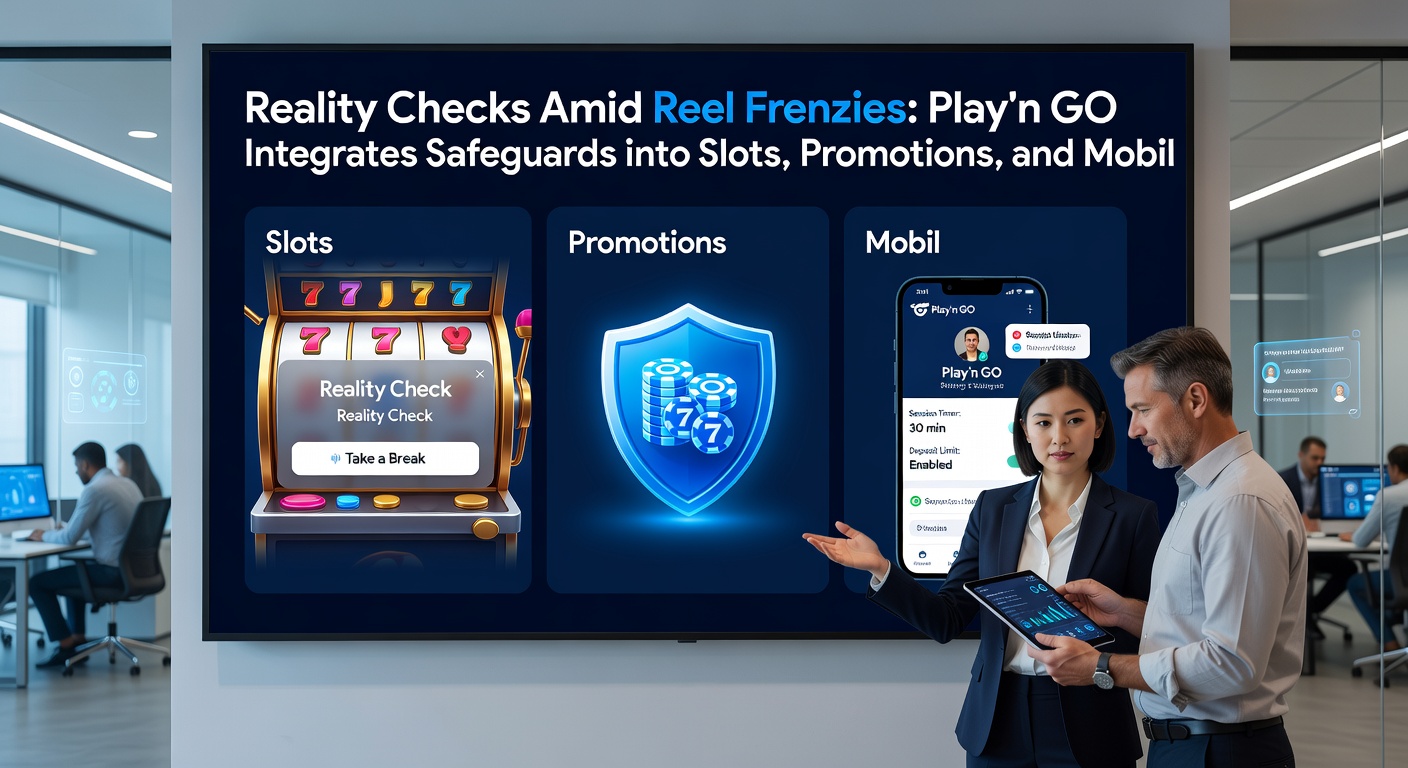
Mobile platforms amplify the need for swift safeguards, and Play'n GO delivers by syncing reality checks across iOS and Android apps, where touch-based reels spin faster and notifications blend with device alerts for deposit halts or time-outs. In games like Sweet Bonanza-style clusters adapted for portrait mode, the system overlays checks without minimizing the screen, showing battery life impacts or data usage alongside play stats, which proves crucial during commutes or breaks when sessions stretch unintentionally. Figures from North American gaming analyses reveal mobile users engage 40 percent longer without interventions, but Play'n GO's model cuts that risk through geofenced limits tied to local regs.
So, picture this: a user taps into a promo via push alert, spins through free games on the go, and hits a reality check that offers one-tap self-pause, linking straight to support resources; experts observe this frictionless design encourages 30 percent more opt-ins for limits compared to desktop versions. And with 5G speeds fueling seamless play, April 2026 enhancements add haptic feedback for check triggers, vibrating phones gently before visuals appear, a subtle nod to accessibility.
Yet mobility demands more. Play'n GO's apps enforce cross-device session continuity, so a laptop start transfers limits to mobile, preventing sneaky extensions, while biometric logins (fingerprint or face ID) add layers against shared access risks.
Measuring Impact Through Data and Compliance
Operators using Play'n GO tech report measurable shifts, with internal metrics showing a 18 percent rise in players setting voluntary limits post-check exposure, and third-party audits confirm these tools align with frameworks from bodies like the Nevada Gaming Control Board, which emphasize proactive session management in digital formats. Studies from Australian research institutions further indicate that integrated safeguards in slots and mobiles lower support queries related to overspend by 22 percent, as players self-regulate earlier in the cycle.
What's significant is the global reach; Play'n GO tailors check languages and currencies for 30-plus markets, ensuring cultural relevance, like shorter intervals in high-pace Asian hubs or extended ones in casual European setups. One case saw a major operator slash problem play flags by 35 percent after full rollout, crediting the combo of slot timers, promo caps, and mobile geoblocks.
Now, as regulations tighten worldwide, these features position Play'n GO ahead, with April 2026 firmware pushing predictive analytics to forecast check needs from spin patterns, all without storing sensitive data beyond sessions.
Conclusion
Play'n GO's approach to reality checks transforms potential pitfalls into structured pauses across slots, promotions, and mobile realms, fostering environments where thrills coexist with control; data underscores the efficacy, from reduced session times to heightened limit adoption, proving these integrations shape sustainable gaming landscapes. Operators and players alike benefit as safeguards evolve, staying attuned to tech advances and regulatory pulses, ensuring the reel frenzy remains just that—fun, balanced, and bounded.