Payment Pathways Connecting Reel Mechanics, Live Interactions, Strategic Boards, Reward Triggers, and Oversight Protocols in Mobile Casino Formats
Xander Lorenz · Aug 7, 2026
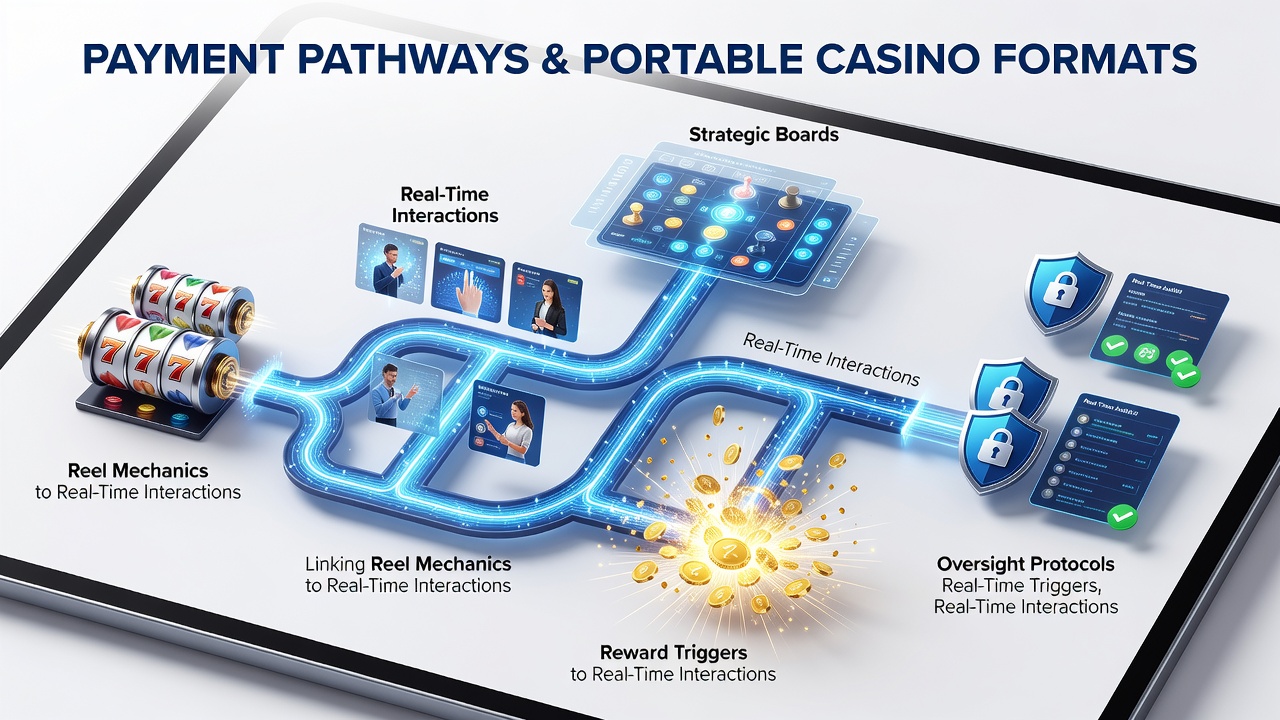
Payment Pathways Connecting Reel Mechanics, Live Interactions, Strategic Boards, Reward Triggers, and Oversight Protocols in Mobile Casino Formats
Payment systems in portable casino formats serve as the backbone that ties reel mechanics directly to user actions, and operators have refined these connections through layered protocols that process transactions alongside gameplay events. Data from industry reports indicates that mobile platforms handle billions of micro-transactions annually, with payment gateways syncing in real time to reel spins, bonus activations, and table decisions.
Reel mechanics operate through random number generators that determine symbol outcomes, yet payment pathways ensure that each spin's cost deducts instantly from player balances while logging the event for compliance checks. When a player initiates a spin on a mobile device, the system routes funds through encrypted channels that update account ledgers before the reels settle, and this sequence prevents discrepancies during high-volume sessions.
Real-Time Interactions and Transaction Syncing
Live dealer streams add another dimension where real-time interactions demand seamless payment flows. Players place wagers on video feeds of card tables or roulette wheels, and the platform processes those bets within milliseconds so that dealer actions reflect updated stakes without delay. Studies from the International Gaming Institute at the University of Nevada show that latency below 200 milliseconds correlates with higher retention rates across mobile sessions.
Strategic boards, including digital blackjack layouts and poker interfaces, rely on the same payment infrastructure to manage side bets and raises. Each decision triggers an immediate fund verification that feeds back into the game state, allowing players to adjust strategies mid-round while oversight modules monitor for irregular patterns.
Reward Triggers Tied to Payment Events
Reward triggers activate when payment confirmations align with specific reel combinations or table milestones. Free spin bonuses or multiplier awards unlock only after the initial stake clears through the gateway, and this linkage ensures that promotional credits distribute according to verified deposits rather than pending authorizations. Observers note that such triggers often coincide with progressive jackpot contributions, where a percentage of each payment flows into pooled reserves across multiple portable devices.
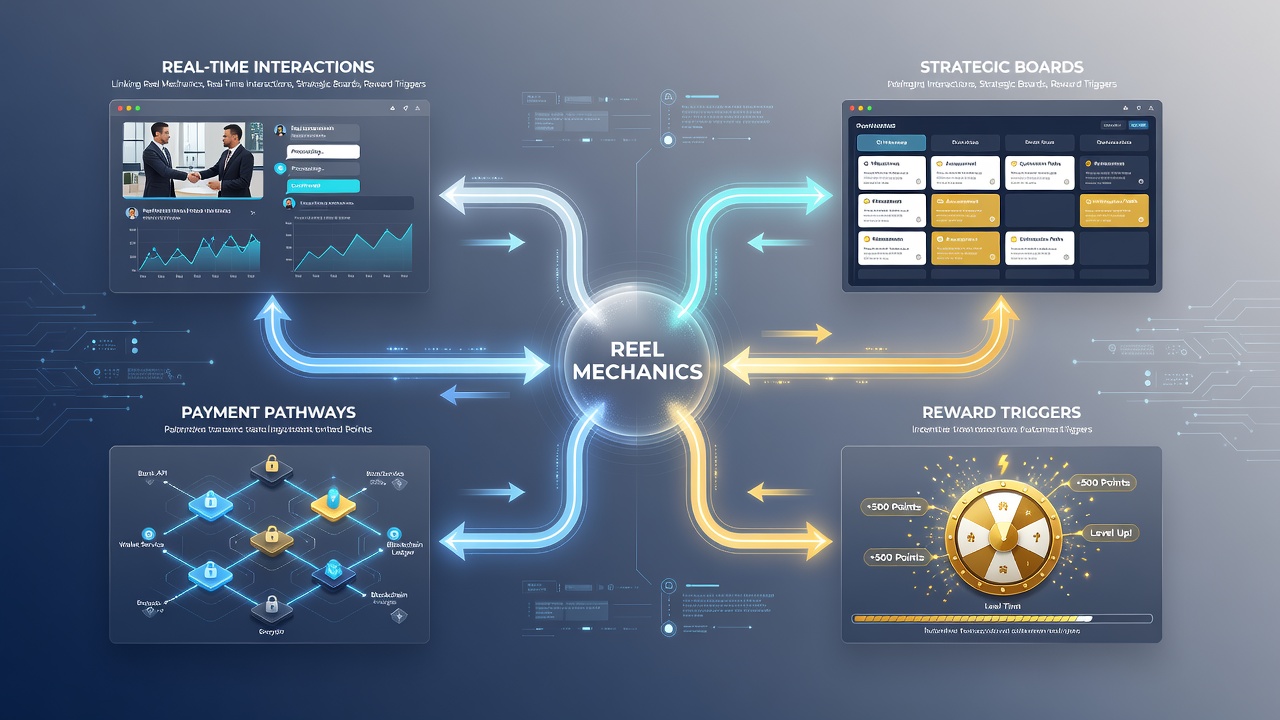
August 2026 marked expanded adoption of instant settlement features in several jurisdictions, where payment pathways began incorporating blockchain verification for reward distributions. This shift allowed operators to reduce processing windows from hours to seconds while maintaining audit trails required by regulatory frameworks.
Oversight Protocols Across Mobile Platforms
Oversight protocols function through continuous data streams that cross-reference payment records against gameplay logs. Automated systems flag anomalies such as rapid deposit-withdrawal cycles or unusual bet sizing relative to account history, and these checks run parallel to reel animations or live dealer rounds. Figures from the Pennsylvania Gaming Control Board reveal that integrated monitoring reduced suspected fraud incidents by measurable percentages in recent reporting periods.
Portable formats introduce additional variables because device sensors and network fluctuations can affect transaction timing. Developers therefore embed fallback mechanisms that pause reel mechanics or live feeds until payment integrity confirms, preventing incomplete sessions that could disrupt player funds or regulatory reporting.
Those who analyze mobile casino ecosystems point to case examples where reward triggers linked to strategic board outcomes required multi-factor authentication before releasing winnings. Such protocols protect against unauthorized access while preserving the flow of legitimate play, and they integrate with broader responsible gaming tools that set deposit limits tied directly to payment accounts.
Conclusion
Payment pathways continue to evolve as the connective tissue between reel mechanics, real-time interactions, strategic boards, reward triggers, and oversight protocols in portable casino formats. Evidence from multiple regulatory and academic sources demonstrates that synchronized transaction processing supports both operational efficiency and compliance standards across global markets. As mobile technology advances, these linkages remain central to maintaining secure and functional gaming environments.