Mapping Secure Pathways: How Payment Options Support Ethical Boundaries Across Mobile Reel and Dealer Experiences
Xander Lorenz · Jun 5, 2026
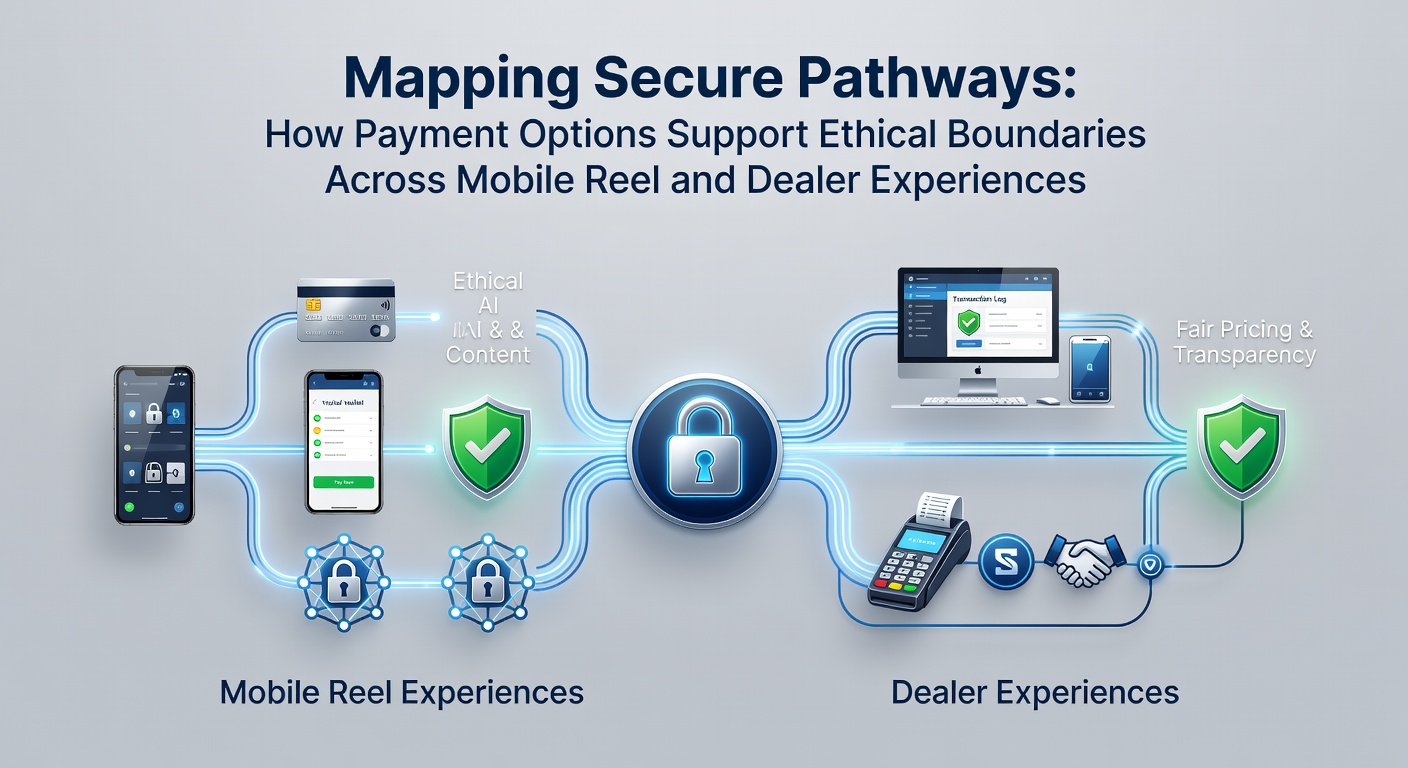
Mapping Secure Pathways: How Payment Options Support Ethical Boundaries Across Mobile Reel and Dealer Experiences
Payment systems in mobile gaming environments connect directly to ethical frameworks that guide player interactions with reel-based slots and live dealer tables, and these connections have gained attention as platforms expand their reach through 2026. Data from industry reports shows that verified transaction methods allow operators to embed controls such as deposit caps, session timers, and self-exclusion triggers at the point of funding, which in turn shapes how users engage with Play'n Go titles across handheld devices.
Transaction Infrastructure in Mobile Reel Play
Play'n Go's reel games operate within mobile frameworks where payment gateways process funds through encrypted channels that record every deposit and withdrawal in real time, and this infrastructure supports boundary-setting tools because operators can link account verification to spending limits established by players or regulatory requirements. Research from the National Council on Problem Gambling indicates that real-time verification reduces unauthorized access while enabling features like automatic pauses after preset thresholds, and those features appear consistently in mobile slot sessions where users select from options including e-wallets, bank transfers, and prepaid cards.
June 2026 marked the rollout of updated API standards across several European markets that require payment providers to flag repeated high-velocity transactions, and Play'n Go implementations incorporated these flags to trigger responsible gaming prompts during reel spins without interrupting core gameplay mechanics. Observers note that such integrations maintain session continuity while directing attention to account status displays that reflect remaining limits.
Live Dealer Tables and Funding Controls
Live dealer experiences introduce additional variables because real-time table interactions demand faster payment confirmations, yet the same secure pathways used for reel funding extend to these formats through unified player accounts. Systems process buy-ins via methods that already carry embedded limit data, so a user who sets a daily cap on their mobile profile sees that cap enforced whether they join a blackjack table or spin a cluster-pay reel title. Figures from the Canadian Centre on Substance Use and Addiction reveal that platforms applying consistent verification across game types report lower rates of disputed transactions tied to impulsive decisions.
Payment options such as instant bank transfers and digital wallets further support ethical boundaries by allowing immediate reversal requests within defined cooling periods, and these options integrate with Play'n Go's backend so that live dealer sessions pause automatically if a player activates a break feature mid-round. The process relies on pre-established protocols rather than manual intervention, which keeps table flow intact while respecting preset boundaries.
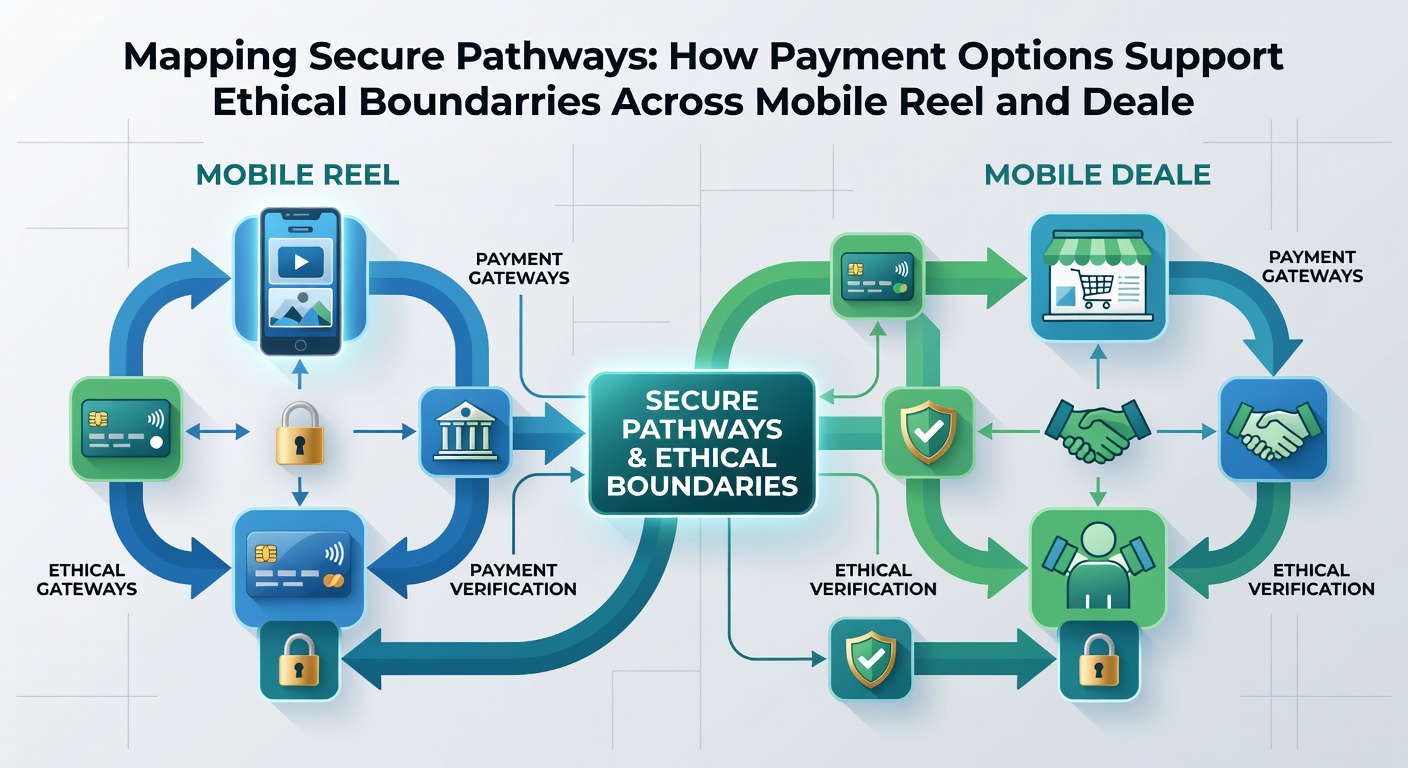
Security Protocols That Reinforce Limits
Encryption standards and multi-factor authentication form the backbone of these pathways, because they verify user identity at each funding step and thereby prevent circumvention of self-imposed restrictions. When a player attempts a deposit that would exceed an established limit, the system rejects the transaction before funds reach the gaming balance, and this rejection occurs uniformly whether the attempt targets reel games or dealer tables. Studies compiled by the Australian Gambling Research Centre demonstrate that platforms using such automated blocks record measurable reductions in post-limit activity across mobile channels.
Play'n Go's approach ties payment history directly to player dashboards that display aggregated spend across both reel and live formats, and this visibility encourages users to adjust boundaries proactively rather than reactively. External providers supply the underlying rails for these transactions, yet the gaming layer overlays the ethical controls without requiring separate logins or additional verification layers.
Regional Variations in Payment Ethics Integration
Different jurisdictions apply distinct rules to how payment data feeds into responsible gaming systems, and Play'n Go adapts its mobile offerings accordingly while maintaining core security features. In markets following Malta Gaming Authority guidelines, for instance, transaction logs must remain accessible for audit, which enables operators to cross-reference payment patterns against session data from both slots and live tables. Similar requirements appear in other regions where regulators emphasize data portability so players can export their funding history for personal review or third-party analysis.
These regional frameworks converge on the principle that secure payments act as gatekeepers rather than mere facilitators, and the result shows in consistent application of time-outs and loss limits that travel with the player account regardless of game type selected on mobile devices.
Conclusion
Payment options therefore map onto ethical boundaries by embedding verification, limit enforcement, and transaction transparency into the same pathways that fund mobile reel and dealer experiences. As standards evolve through 2026 and beyond, the linkage between secure funding methods and player protection tools continues to define operational practices for platforms such as Play'n Go, where data flows support both access and restraint without separating one from the other.