Interwoven Networks: Aligning Protected Payment Systems with Regulatory Frameworks in Mobile Interactive Spaces
Xander Lorenz · May 20, 2026
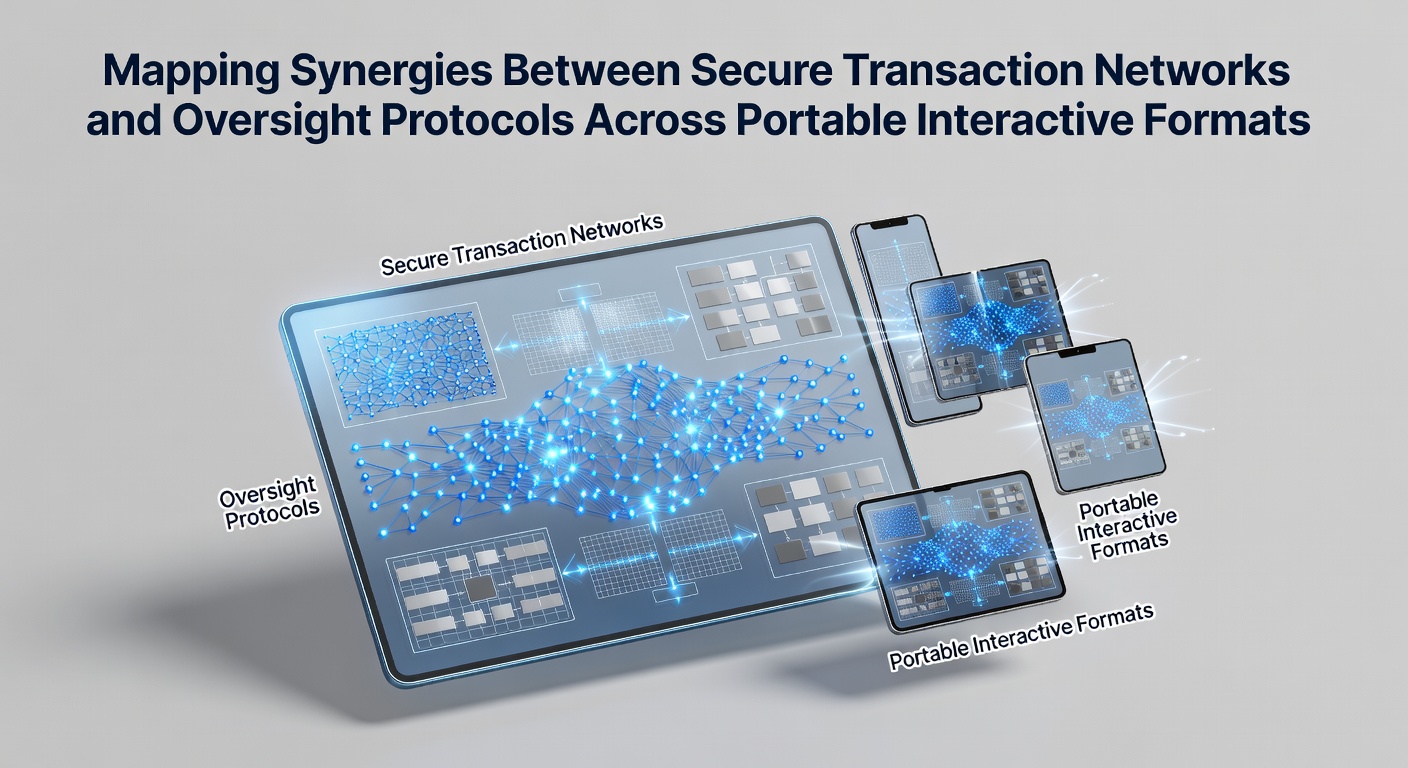
Interwoven Networks: Aligning Protected Payment Systems with Regulatory Frameworks in Mobile Interactive Spaces
Secure transaction networks and oversight protocols have developed parallel structures across portable interactive formats over the past decade, and researchers continue to map how these elements reinforce each other in real time. Data from industry reports indicate that mobile platforms now handle the majority of digital financial exchanges in interactive entertainment sectors, which pushes developers to integrate encryption layers directly into user interfaces while regulators establish monitoring standards that operate across borders.
Core Components of Secure Transaction Networks
Transaction networks in portable formats rely on multi-factor authentication combined with tokenization methods that replace sensitive card details with unique identifiers, and this approach reduces exposure during each session. Observers note that end-to-end encryption travels alongside these tokens so that data remains shielded even when devices connect through public networks. Studies from academic institutions show that such combinations cut successful interception attempts by measurable percentages when compared with older single-layer systems.
Portable devices introduce additional variables because operating systems update at different intervals, and application developers must maintain compatibility without weakening security protocols. Figures from technology research groups reveal that platforms using dynamic key rotation maintain higher integrity rates across diverse hardware configurations. Those who analyze transaction logs often discover that anomalies surface earlier when networks apply real-time behavioral checks rather than post-session reviews.
Oversight Protocols and Their Evolution
Regulatory bodies in various regions have shifted from periodic audits toward continuous data feeds that connect directly with operator systems, and this change allows authorities to flag irregularities within minutes instead of weeks. The European Commission published guidelines in early 2025 that emphasize standardized reporting formats for cross-border operators, while similar frameworks in Canadian provinces require operators to share anonymized transaction patterns for pattern analysis. These protocols create feedback loops that help networks adjust thresholds automatically when suspicious activity clusters appear.
Geographic Variations in Implementation
Australian state regulators adopted risk-based scoring models that assign oversight intensity according to transaction volume and user geography, and this method allocates resources more efficiently than uniform inspection schedules. Meanwhile, several U.S. state gaming authorities implemented blockchain-based audit trails that record every verification step without storing personal identifiers. Researchers tracking these developments observe that operators who adopt both approaches simultaneously report fewer compliance incidents over twelve-month periods.
Mapping Overlaps Between Networks and Protocols
Synergies emerge most clearly when transaction networks embed compliance checkpoints into their core architecture rather than treating them as separate add-ons. One study released by a European research consortium in late 2025 documented cases where automated alerts from oversight systems triggered immediate network pauses, which prevented larger-scale issues from developing. These pauses occur through pre-agreed triggers that both operators and regulators define in advance, and the result reduces manual intervention while preserving audit trails.
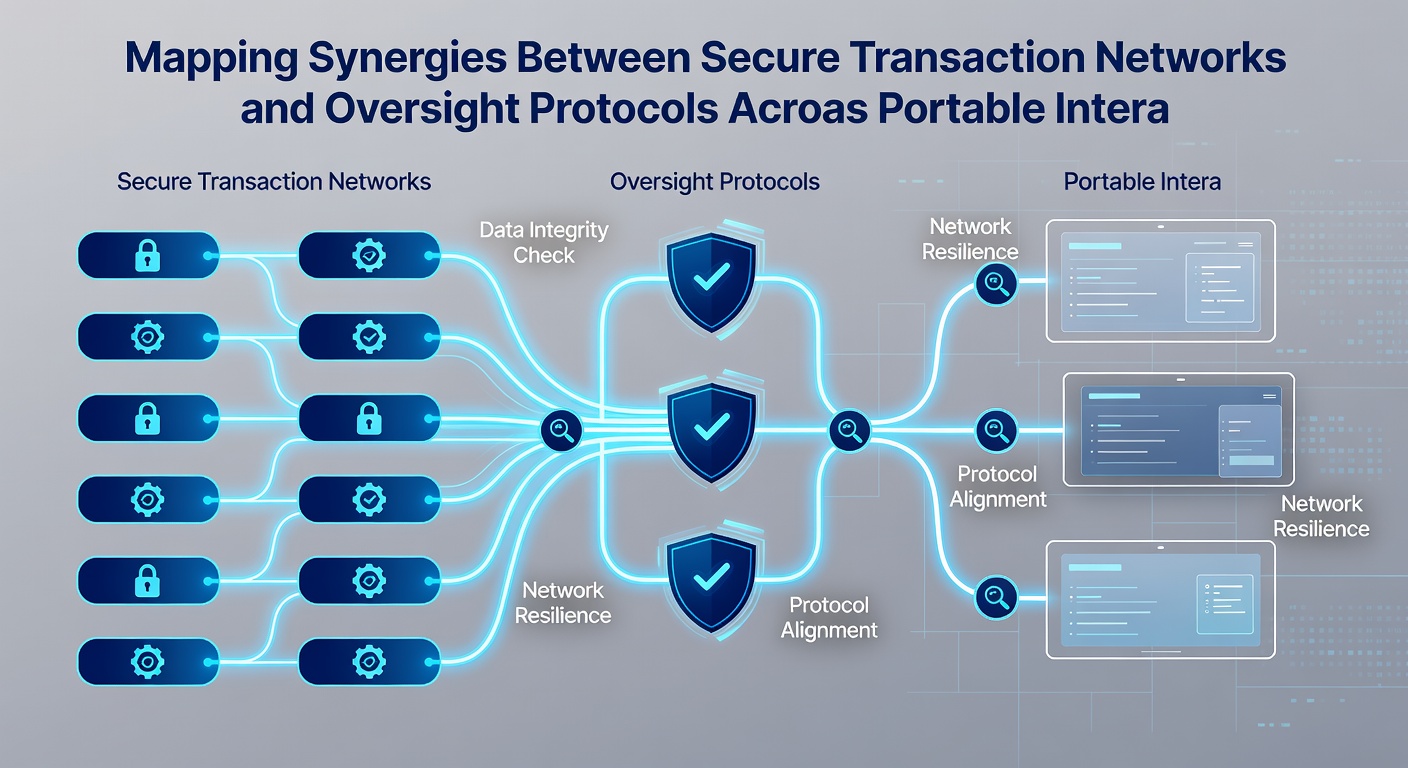
Portable interactive formats benefit particularly from these alignments because screen real estate limits the number of visible security indicators users can process. Designers therefore route status information through background processes that oversight systems can query on demand. Data compiled by international gaming associations indicate that seamless background verification correlates with lower user abandonment rates during deposit sequences across tested applications.
Developments Expected in May 2026
Industry analysts project that several major platforms will roll out unified dashboards in May 2026 that display both transaction security metrics and regulatory status indicators side by side. These dashboards draw from shared data lakes maintained under joint operator-regulator agreements, and early pilot programs suggest faster resolution times for flagged transactions. Technical specifications released by standards organizations further recommend that portable applications incorporate machine-learning models trained on historical oversight data to predict potential friction points before they affect users.
Updates scheduled for that period also include expanded support for decentralized identity verification methods, which allow users to prove eligibility without transmitting full personal records. Regulatory updates in multiple jurisdictions are expected to recognize these methods as valid substitutes for traditional document uploads, provided the underlying networks maintain cryptographic proof of verification steps. Observers tracking implementation timelines note that operators who prepare integration layers ahead of the May 2026 window position themselves for smoother transitions.
Conclusion
The ongoing alignment between secure transaction networks and oversight protocols continues to shape how portable interactive formats process financial exchanges. Evidence from regulatory reports and technical studies shows measurable improvements in both security posture and compliance efficiency when these systems share data pathways from the outset. As platforms prepare for the May 2026 updates, the mapped synergies provide a practical foundation for maintaining integrity across expanding device ecosystems.