Integrating Reward Mechanisms and Wellness Standards in Digital Casino Platforms
Xander Lorenz · Jul 8, 2026
Integrating Reward Mechanisms and Wellness Standards in Digital Casino Platforms
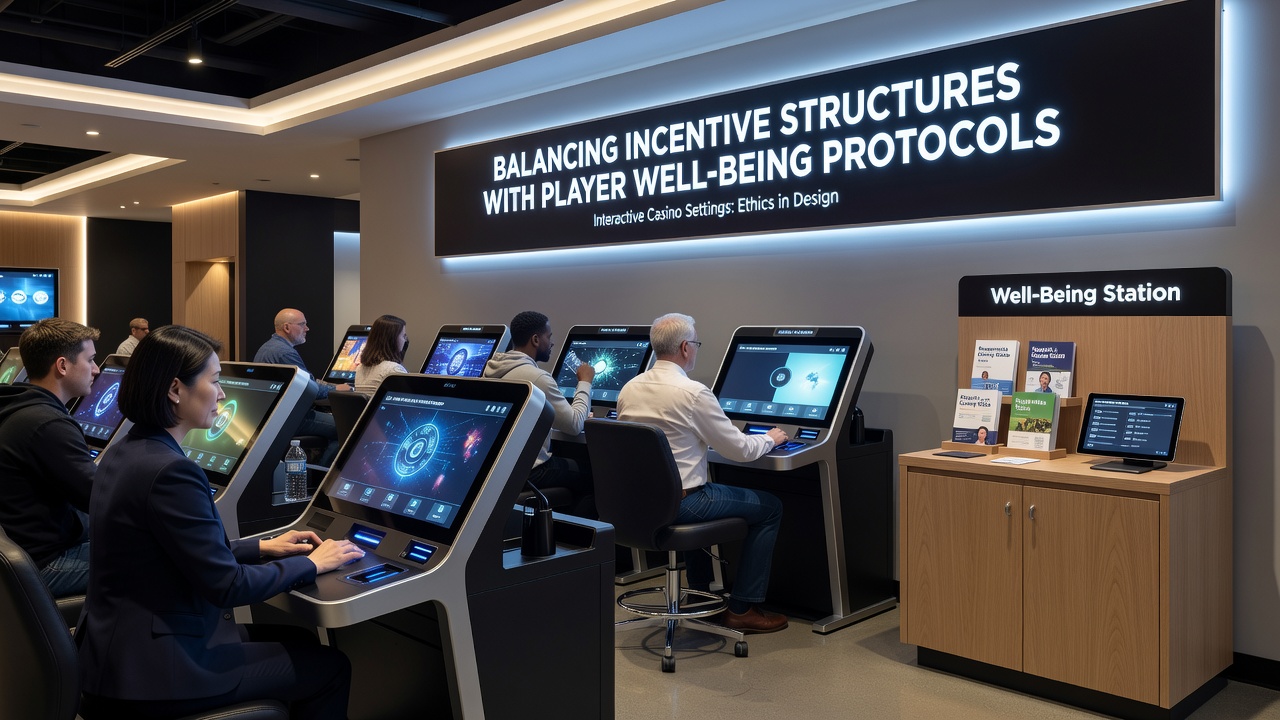
Data from multiple regulatory regions shows that interactive casino environments rely on layered incentive programs such as loyalty points, deposit matches, and progressive jackpots to drive engagement, yet these same platforms now embed well-being protocols including deposit caps, time alerts, and self-exclusion tools to address potential harm. Operators coordinate these elements through real-time analytics that track both play volume and behavioral markers, allowing adjustments without disrupting the flow of rewards.
Core Elements of Modern Incentive Designs
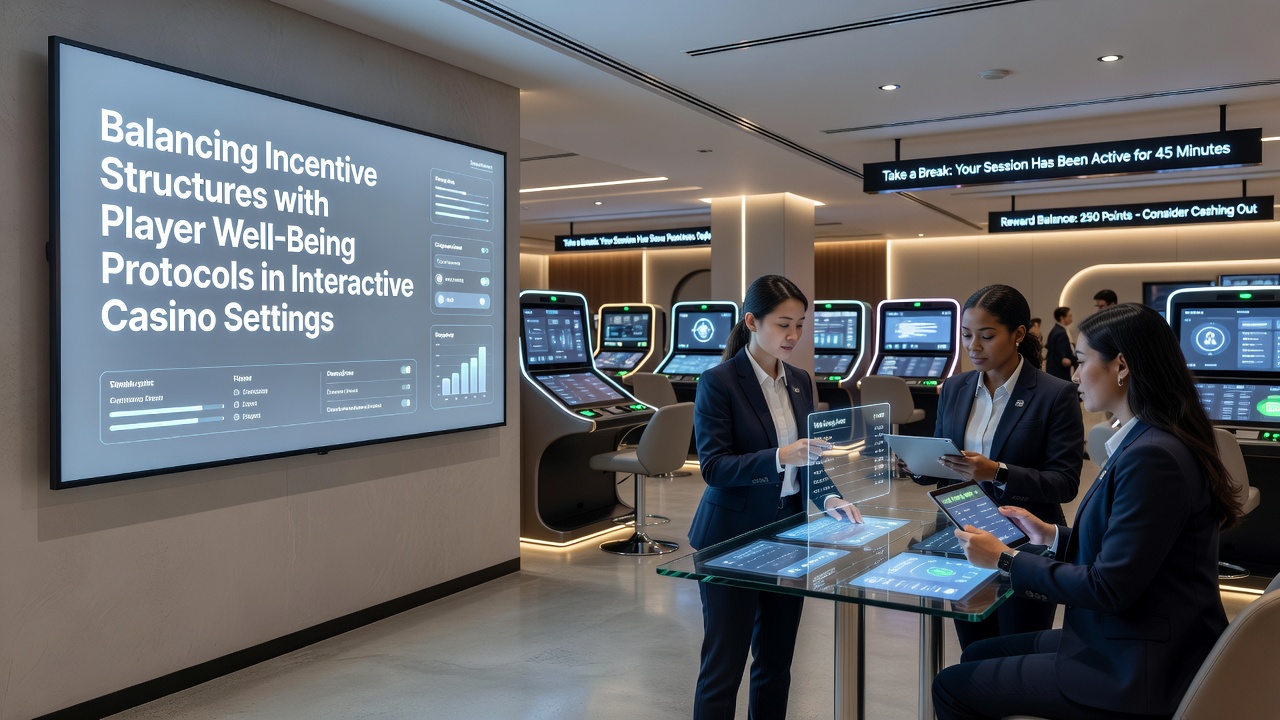
Casino platforms structure incentives around tiered loyalty systems where accumulated points unlock cashback percentages or exclusive tournament access, while bonus structures often feature wagering requirements that stretch across multiple game categories. Research indicates these designs increase average session length by measurable margins, yet the same systems now incorporate mandatory cooling-off prompts triggered after set thresholds. Figures from North American operators reveal that integrated dashboards display both pending bonuses and remaining daily play allowances side by side, giving users immediate visibility into both opportunity and restriction.
Well-Being Protocols Currently in Place
Wellness frameworks in these settings typically combine automated risk detection with player-initiated controls, such as reality checks that interrupt gameplay every thirty minutes and personalized loss-limit calculators updated after each deposit. Government agencies across Canada and Australia have documented the rollout of multi-jurisdictional self-exclusion registries that sync across operators, preventing accounts from reactivating during chosen exclusion periods. Studies conducted by university research centers show that when protocols activate early, users maintain voluntary adherence rates above seventy percent over six-month observation windows.
Methods for Aligning Incentives with Protection Measures
Platform developers achieve alignment by embedding well-being parameters directly into the incentive engine, so that bonus eligibility automatically pauses once a user reaches a pre-set time or spend marker. This approach avoids separate menus that might reduce participation, instead routing reward notifications through the same interface that displays remaining session credits. Observers note that when operators apply this unified logic, redemption rates for bonuses stay stable even as overall exposure metrics decline in targeted player segments.
One operational model tested in European markets links cashback percentages to compliance with voluntary deposit schedules, rewarding consistent limit adherence with higher return tiers. Data released in mid-2026 from cross-border monitoring bodies indicates this conditional structure reduced repeat high-velocity deposits by eighteen percent compared with unconditional programs. The same datasets highlight that live dealer sections and slot lobbies now surface identical limit-setting prompts, maintaining consistency across game verticals.
Developments Observed Through July 2026
By July 2026 several licensing authorities had introduced standardized reporting templates requiring operators to submit paired statistics on incentive uptake alongside well-being intervention frequency. These templates mandate disclosure of how many bonus activations coincided with automated limit triggers, creating a public benchmark for industry performance. Industry associations in the United States and Australia have begun publishing aggregated summaries that compare regional adherence rates, revealing that platforms using unified reward-and-limit engines report fewer escalations to third-party support services.
Academic teams at institutions such as Monash University continue to examine longitudinal effects, focusing on whether conditional incentives sustain player retention without elevating risk markers. Preliminary outputs suggest that when reward scaling remains visible alongside real-time wellness indicators, overall account lifespan extends while average loss-per-active-user stays within narrower bands.
Conclusion
Operators continue refining the technical links between incentive engines and wellness controls, with July 2026 marking expanded data transparency across multiple continents. The resulting systems demonstrate that reward structures and protection protocols can operate as interdependent modules rather than competing priorities, supported by shared analytics and regulatory reporting standards that track both participation and safety outcomes in tandem.