Ethical Frameworks and Transaction Efficiency in Diverse Handheld Gaming Formats
Vera Butler · Jun 24, 2026
Ethical Frameworks and Transaction Efficiency in Diverse Handheld Gaming Formats
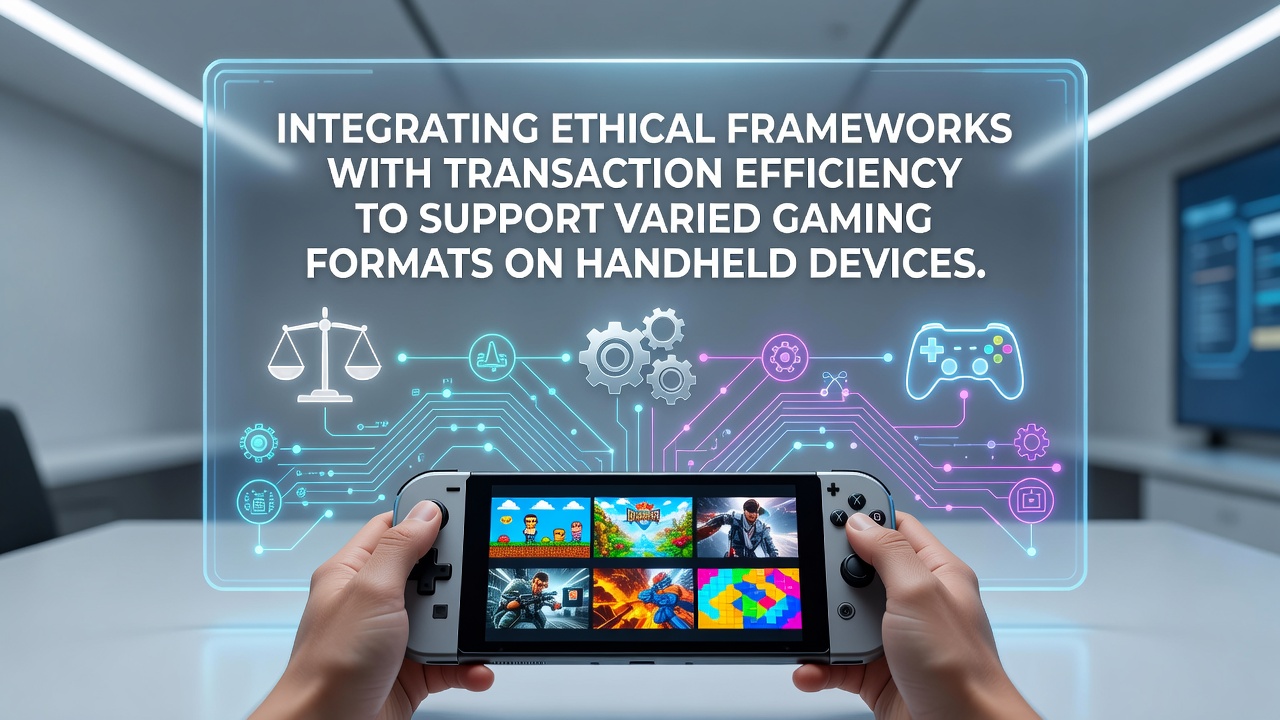
Developers and platform operators continue to combine ethical guidelines with faster payment systems to accommodate different game types on handheld devices, and data from industry reports shows this approach supports both player protection measures and operational speed across mobile environments. Research conducted by academic institutions indicates that frameworks addressing responsible play integrate directly with backend transaction processes, allowing formats such as real-time strategy titles, role-playing adventures, and multiplayer battle arenas to function without interruption while maintaining compliance standards.
Studies from European research centers reveal that transaction processing times have decreased significantly when ethical monitoring tools operate alongside payment gateways, and this reduction occurs because automated systems flag potential issues during the same window that funds transfer between accounts. Observers note that handheld devices benefit particularly from these combined systems since screen size and processing power limit the complexity of separate applications running in parallel.
Core Components of Integrated Systems
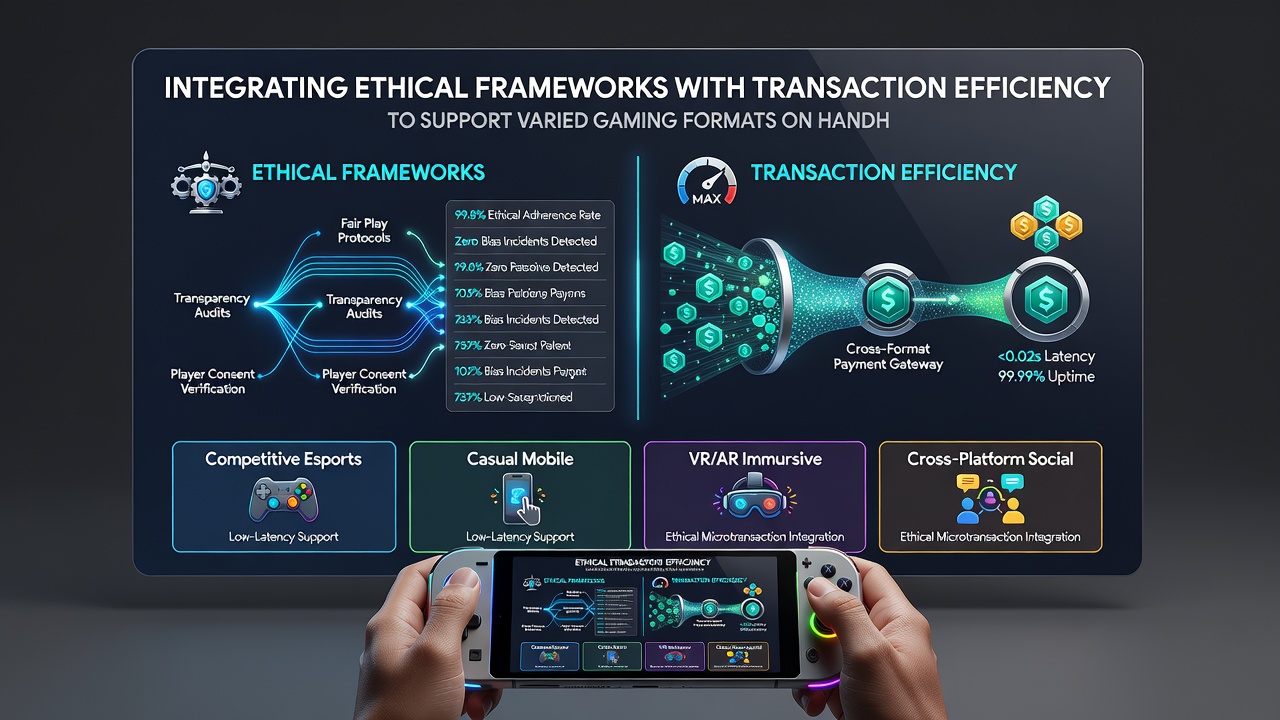
Ethical frameworks typically include age verification protocols, spending limit tools, and session time trackers, while transaction efficiency relies on encrypted payment rails and instant confirmation mechanisms. When these elements merge, data flows through unified pipelines that reduce latency, and figures from 2025 analyses demonstrate average processing speeds dropping below two seconds for most handheld transactions. This integration allows varied formats to share the same infrastructure without requiring users to switch between multiple verification steps.
Platform operators report that role-playing games on handheld devices often incorporate in-app economies that demand frequent micro-transactions, whereas battle arena titles emphasize larger, less frequent purchases. Unified systems handle both patterns by applying the same ethical checks regardless of format, which simplifies backend architecture and lowers error rates during peak usage periods.
Regional Regulatory Influences
Authorities in different jurisdictions shape how these integrations develop, with bodies such as the European Gaming Regulators Association issuing guidelines that encourage synchronized ethical and payment standards. Similar approaches appear in North American markets where state-level oversight promotes consistent transaction security paired with player protection features. Data collected through 2025 indicates that regions adopting unified rules experience fewer compliance incidents compared with fragmented regulatory environments.
Handheld gaming formats continue to evolve, and June 2026 projections from market analysts suggest increased adoption of cross-format platforms where ethical monitoring remains active during every transaction type. These forecasts rely on current trends showing steady growth in mobile device usage for extended gaming sessions across multiple genres.
Technical Implementation Patterns
Engineers design application programming interfaces that embed ethical parameters within payment authorization requests, and this structure ensures checks occur without adding separate network calls that could slow performance. Tests conducted by independent laboratories confirm that such embedding maintains security levels equivalent to standalone systems while cutting overall processing time by measurable margins. Varied gaming formats benefit because developers avoid maintaining separate compliance modules for each title released on handheld platforms.
Case examples include strategy games that track resource purchases against predefined limits and adventure titles that pause progression prompts when session durations approach ethical thresholds. Both formats operate through the same transaction layer, which reduces development overhead and supports consistent user experiences across device models from multiple manufacturers.
Data Security and User Verification
Secure data handling forms another layer where ethical frameworks and transaction efficiency intersect, since verification processes must complete rapidly yet remain thorough. Encryption standards applied during fund transfers also protect the ethical data points collected during gameplay, creating overlapping protection without duplicated effort. Research papers published by technology institutes highlight that this overlap decreases vulnerability windows during data transmission on handheld networks that may experience variable connectivity.
Operators who implement these combined approaches report lower rates of disputed transactions, and the reduction ties directly to real-time ethical flags that prevent certain actions before completion rather than after funds move. This pattern appears across different gaming formats because the verification logic remains format-agnostic while transaction speed stays constant.
Future Development Directions
Continued refinement of these integrations focuses on machine learning models that predict user behavior patterns and adjust both ethical safeguards and transaction pathways dynamically. Early deployments in 2025 showed improved accuracy in identifying high-risk activities without increasing average processing times, and analysts expect further gains by mid-2026 as datasets expand. Handheld formats stand to gain because device constraints make efficient resource use essential for sustained performance.
Industry associations track these developments through shared benchmarks that compare ethical compliance rates against transaction throughput across multiple device ecosystems. The resulting data supports iterative improvements that keep pace with new game formats entering the handheld market each year.
Conclusion
Integration of ethical frameworks with transaction efficiency creates functional pathways that support diverse gaming formats on handheld devices through shared technical structures and regulatory alignment. Evidence from multiple sources shows measurable improvements in processing speed alongside maintained protection standards, and ongoing work through 2026 aims to extend these benefits across additional game types and device categories.