Connecting Instant Settlements to Reel Mechanics for Seamless Real-Time Play on Mobile Platforms
Uma Reed · Jul 13, 2026
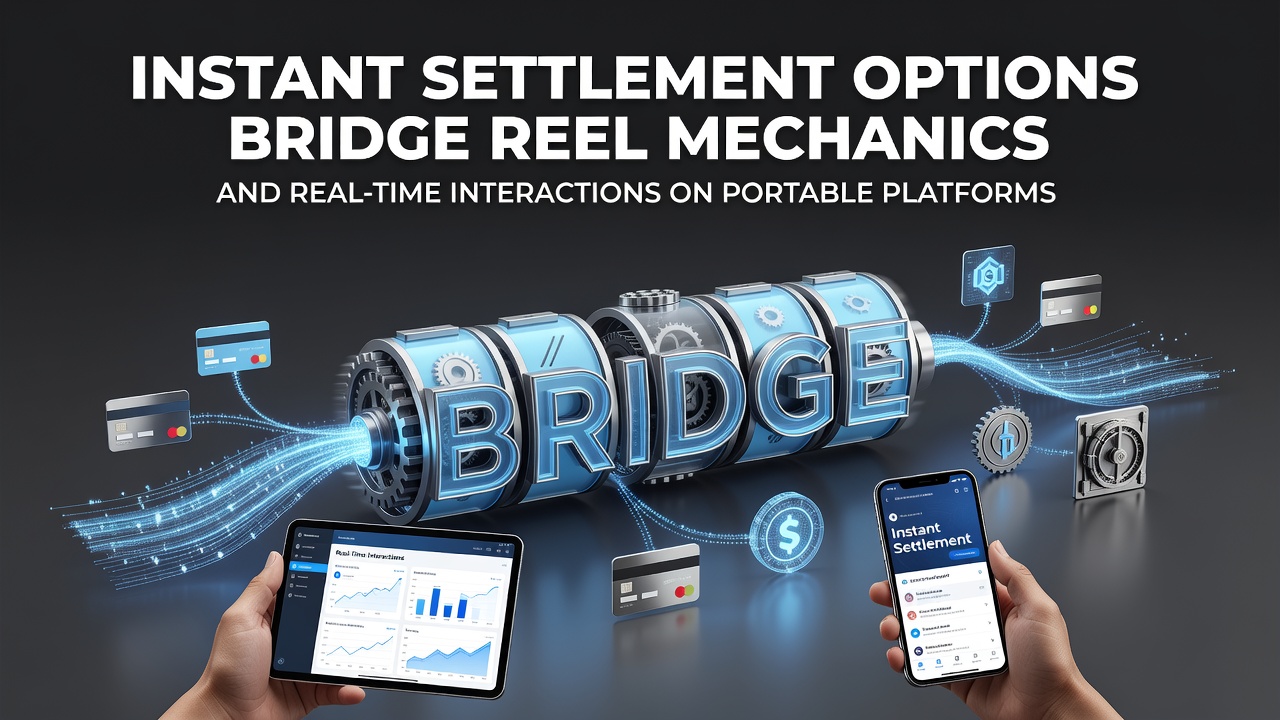
Connecting Instant Settlements to Reel Mechanics for Seamless Real-Time Play on Mobile Platforms
Instant settlement options now link directly to reel mechanics in ways that reshape how portable platforms handle both payouts and spinning sequences, while real-time interactions depend on these bridges to maintain smooth performance across devices. Developers have refined the underlying code so that settlement triggers activate immediately after reel stops register, reducing delays that once separated the spin outcome from the fund transfer.
Reel Mechanics and Their Settlement Bridges
Reel mechanics operate through layered algorithms that determine symbol positions, yet the bridge to instant settlements inserts a verification layer right at the outcome calculation stage. This integration means the system confirms the result, processes the payout, and updates the balance without requiring a separate server call, and observers note that such bridges rely on synchronized data streams to avoid mismatches between what the reels display and what the account reflects. Data from industry analyses shows these connections have grown more reliable since earlier mobile frameworks, with error rates dropping as processors handle simultaneous reel evaluation and settlement checks.
Portable platforms benefit when these bridges account for variable network conditions, because the reel engine pauses briefly if a settlement packet needs confirmation, then resumes without resetting the entire sequence. Researchers at academic institutions have documented how this approach preserves the visual flow of spins while embedding payout logic into the same cycle.
Real-Time Interactions on Handheld Devices
Real-time interactions gain stability when settlement bridges feed directly into the user interface, allowing touch responses to register reel adjustments or bonus activations at the same moment balances update. Players encounter fewer interruptions because the platform processes input, reel outcome, and fund movement in overlapping threads rather than sequential steps, and figures from technical reports indicate response times have shortened noticeably on devices with mid-range processors.
One study from a North American research group revealed that platforms using these bridged systems maintained consistent frame rates during high-activity periods, whereas older setups experienced lag when settlements queued separately. The same report highlighted that July 2026 saw several providers roll out updated bridge protocols that further tightened the timing between reel stops and visible balance changes.
Technical Components Driving the Integration
Core components include a shared memory buffer that holds both reel state data and settlement instructions, allowing the processor to access either without switching contexts. Portable platforms leverage this buffer to handle multi-touch inputs while reels continue their animation, and the settlement option activates only after the final symbol alignment locks in place. Industry organizations tracking gaming technology have tracked how these buffers scale across operating systems, noting consistent performance improvements on both iOS and Android environments.

Security layers sit alongside the bridge without slowing the process, because encryption routines run in parallel threads that verify transaction integrity at the same time the reels finalize their positions. This parallel execution keeps interactions fluid even when multiple players access the same server cluster during peak hours.
Platform Adaptations Observed in Mid-2026
By July 2026 several portable frameworks had incorporated adaptive bridge timing that adjusts based on device temperature and battery level, preventing settlement calls from draining resources during extended sessions. Reports compiled by European gaming technology associations detail how these adjustments maintained reel smoothness while still delivering instant balance updates, and the data shows adoption rates climbing steadily among mid-tier device users.
Real-time elements such as live chat overlays or bonus round prompts continue to operate independently of the settlement bridge, yet they reference the same outcome data so that all screen elements reflect the current state without additional synchronization steps. This shared reference point reduces the chance of visual discrepancies that once appeared when separate modules updated at different intervals.
Conclusion
Instant settlement options that bridge reel mechanics with real-time interactions have become standard features on portable platforms, supported by synchronized buffers, parallel processing threads, and adaptive timing protocols. Information compiled through 2026 demonstrates measurable gains in response consistency and reduced processing overhead, while regulatory bodies in multiple regions continue to monitor these systems for compliance with transaction accuracy standards. The architecture supports ongoing refinements that keep reel sequences and payout flows aligned across an expanding range of handheld hardware.